

Sports Injury Treatment in Lafayette, CA
Sports injuries can affect the joints, muscles, and connective tissues of the body. These injuries may develop suddenly or build over time due to repetitive stress.
Many active individuals experience pain related to training, overuse, or changes in movement patterns. The good news is that many sports-related conditions respond well to conservative care focused on restoring normal movement and reducing strain on affected tissues.
Common Sports Injuries We Treat
Sports injuries often involve overuse, repetitive motion, or mechanical stress on specific areas of the body.
Common conditions include:
Golfer’s elbow (medial elbow pain)
Tennis elbow (lateral elbow pain)
Runner’s knee (patellofemoral pain)
Jumper’s knee (patellar tendon irritation)
Muscle strains and overuse injuries
These conditions are often related to movement patterns, joint mechanics, and muscle imbalance.
Elbow Injuries (Tennis Elbow and Golfer’s Elbow)
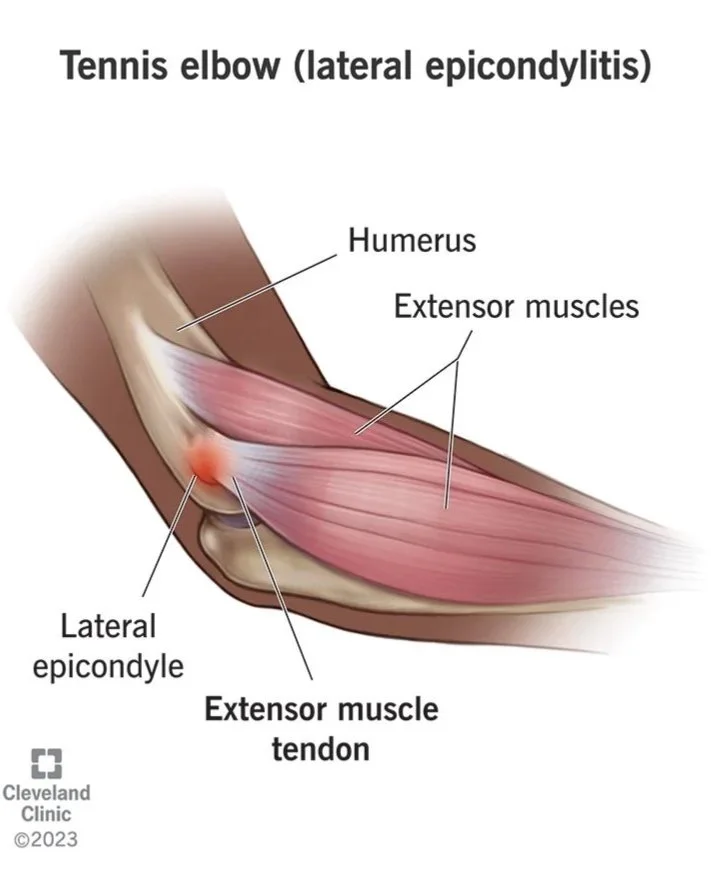
Elbow pain is commonly associated with repetitive gripping or arm use.
Tennis elbow affects the outer portion of the elbow
Golfer’s elbow affects the inner portion
These conditions often involve irritation of the tendons where the forearm muscles attach to the elbow.
Knee Injuries (Runner’s Knee and Jumper’s Knee)
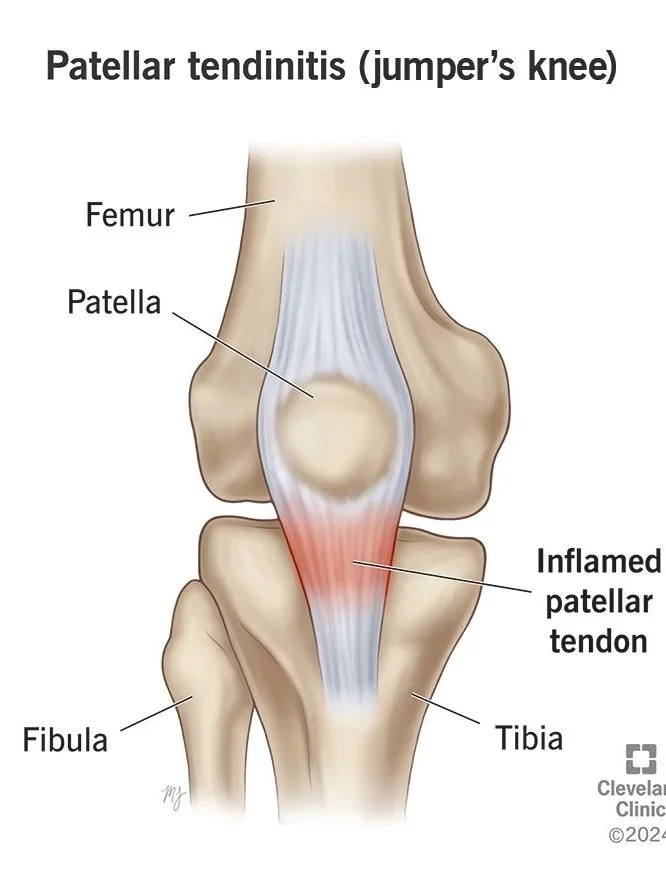
Knee pain in active individuals is often related to repetitive stress.
• Runner’s knee typically involves irritation around the kneecap
• Jumper’s knee involves irritation of the patellar tendon
These conditions are often influenced by hip, knee, and ankle mechanics.
Shoulder and Hip Conditions
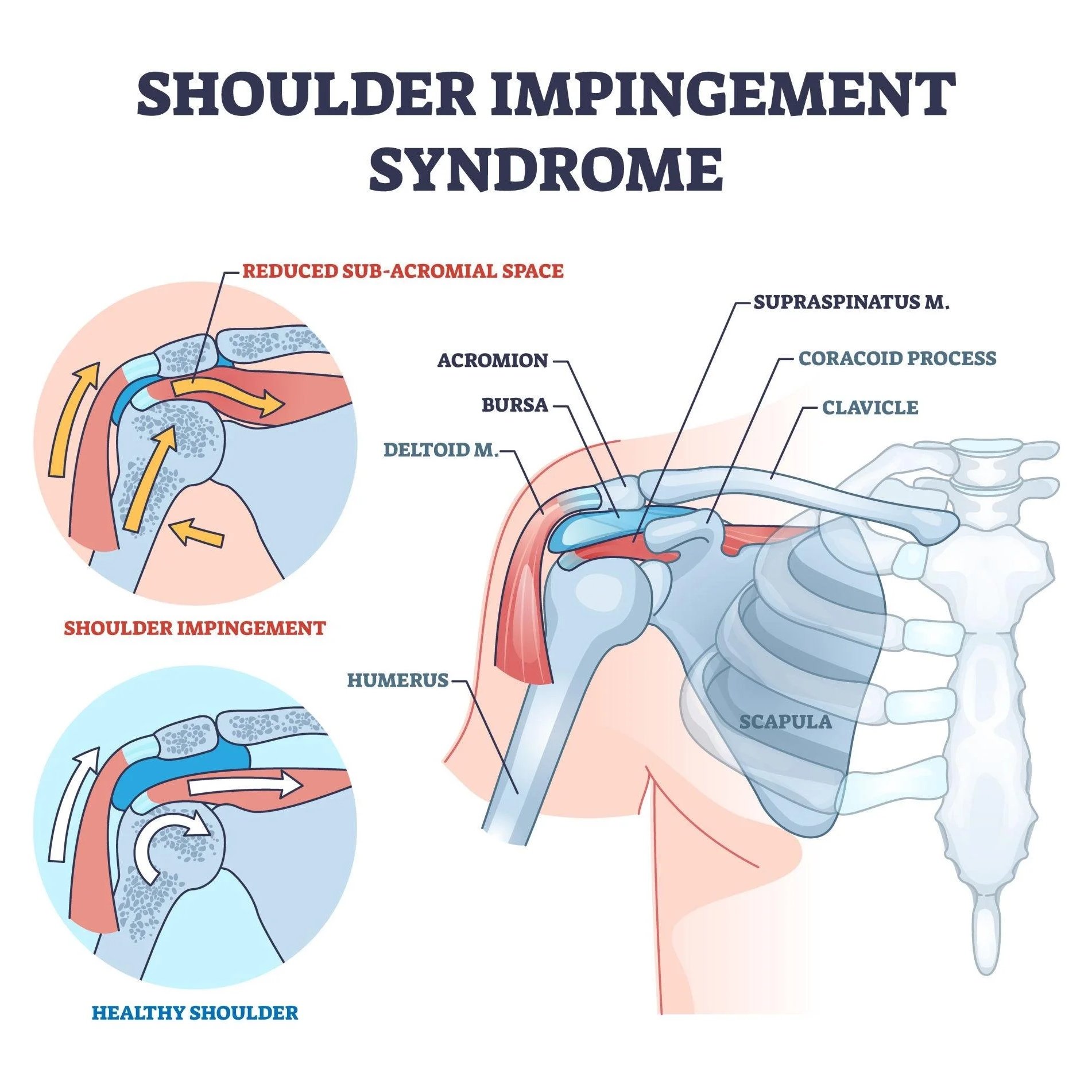
The shoulder and hip are complex joints that rely on proper movement and stability.
Shoulder impingement may occur when structures in the shoulder become compressed during movement
Hip impingement (femoroacetabular impingement) involves abnormal contact in the hip joint
Frozen shoulder involves stiffness and reduced range of motion
These conditions are often influenced not only by the joint itself but also by the surrounding muscles.
Care may focus on improving both joint mechanics and soft tissue function, including addressing restrictions in the front and back of the shoulder or hip that can contribute to impingement patterns.
How Chiropractic Care May Help
Care for sports injuries focuses on restoring normal movement and reducing stress on affected tissues.
In many cases, care includes a combination of joint treatment and targeted soft tissue work to address muscle and tendon irritation.
Chiropractic adjustments may help improve motion in the joints, while soft tissue treatment focuses on restoring normal movement in the muscles and tendons that support those joints. Many sports injuries also involve joint mechanics in the spine and chiropractic adjustments can help.
For example, in conditions such as tennis elbow or golfer’s elbow, treatment may involve working directly on the affected muscles and tendons of the forearm to reduce tension and improve function.
In cases involving shoulder or hip impingement, care often focuses on improving movement both in the joint and in the surrounding muscles—addressing restrictions in the anterior and posterior structures that can contribute to impingement.
Mobility exercises and movement-based care may also be used to support recovery and reduce the risk of recurrence.
What to Expect
A thorough evaluation to identify the source of your injury
A clear explanation of what’s contributing to your symptoms
Treatment focused on restoring movement and reducing strain
A personalized plan based on your activity level and goals
When to Seek Evaluation
If pain persists, worsens, or interferes with activity, an evaluation can help identify the underlying cause.
Early assessment may help prevent minor injuries from becoming more significant and guide appropriate treatment.
Sports Injury Treatment in Lafayette, CA
Village Chiropractic serves patients throughout Lafayette, Moraga, Orinda, Walnut Creek, and Pleasant Hill.
If you’re dealing with a sports-related injury, early care can help reduce pain and support a safe return to activity.